1633 Valencia — Affordable Senior Housing in the Mission
1633 Valencia shows what’s possible — 100% affordable senior housing built efficiently in the Mission
Oct 24, 2025
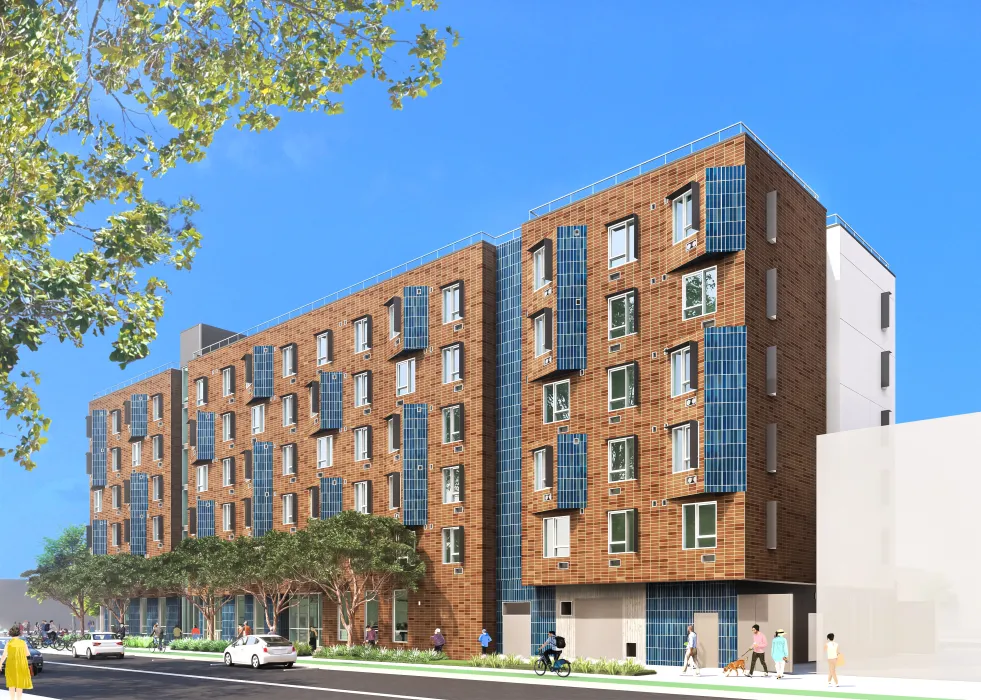
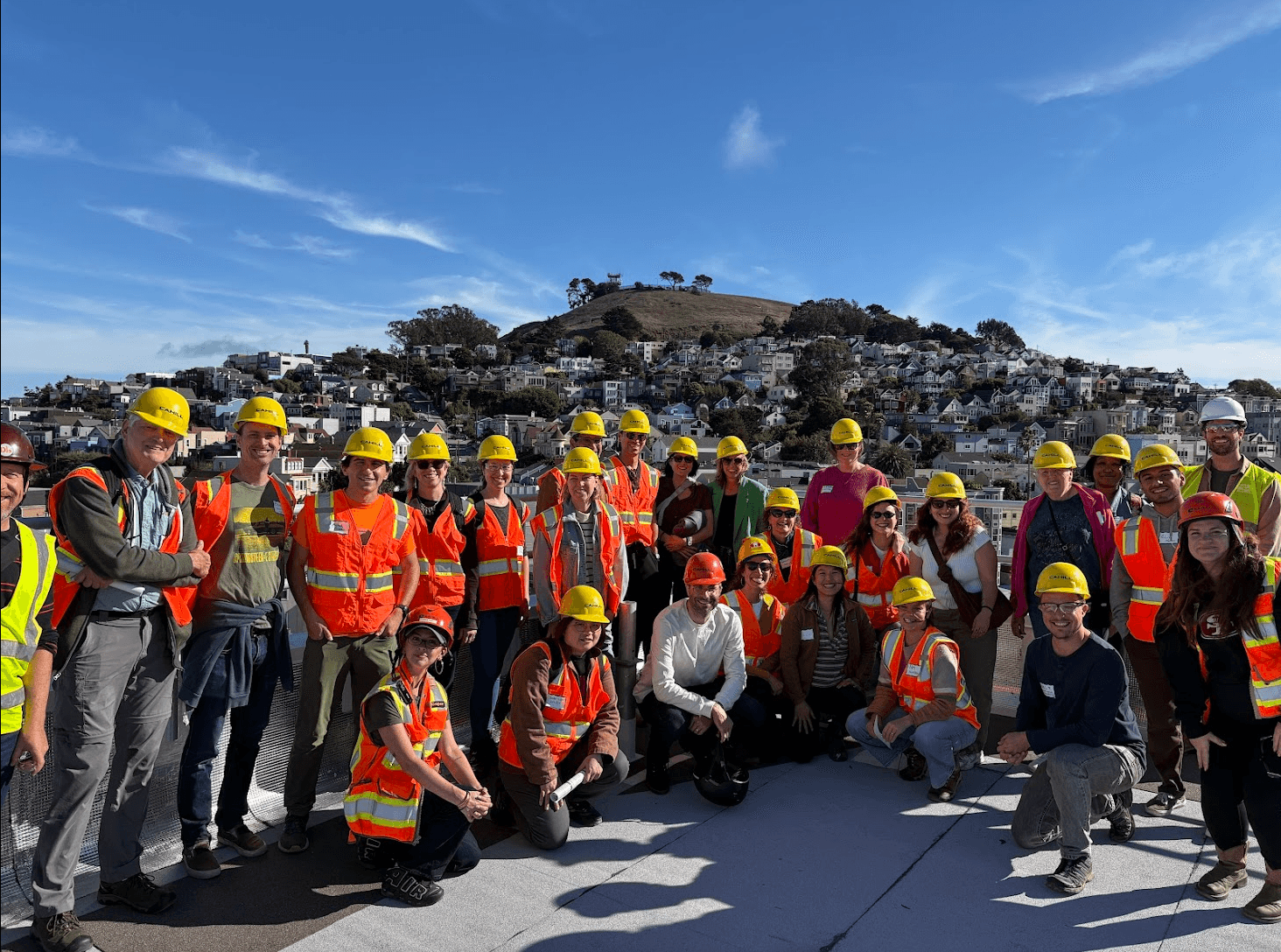
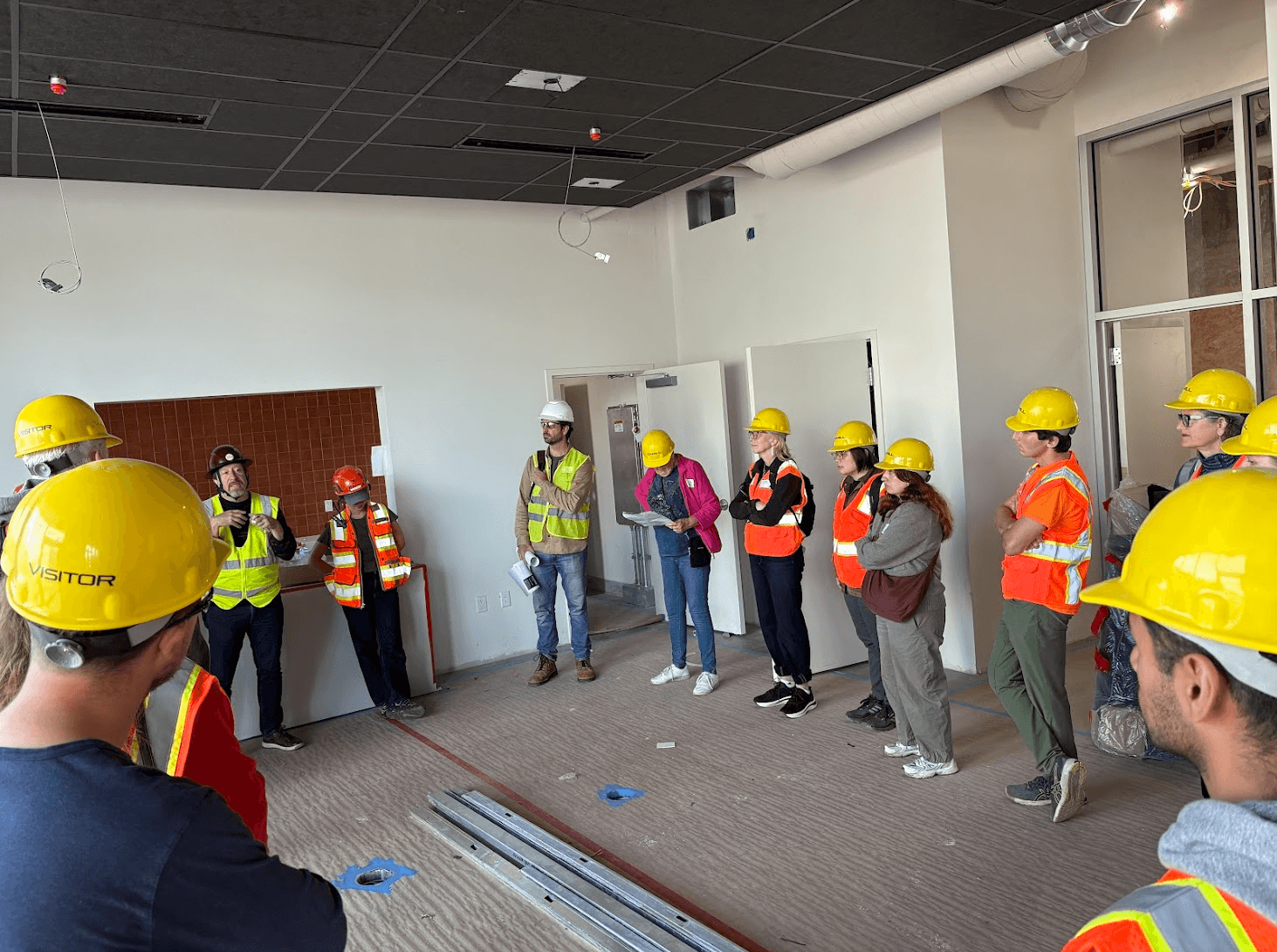
Last month, D9 Neighbors for Housing toured 1633 Valencia, a standout affordable housing development rising in the Mission District — and yes, the views were impressive. But what truly wowed the group was what this building represents for San Francisco’s housing future.
Developed by Mercy Housing in partnership with the San Francisco Housing Accelerator Fund, designed by David Baker Architects, and built with Cahill Contractors, 1633 Valencia will deliver 145 permanently supportive, 100% affordable apartments for low-income seniors. At a time when many older adults in San Francisco are at risk of displacement or housing instability, this project directly responds to an urgent need: stable, dignified homes for seniors who want to age in place in the neighborhoods they know and love.
What makes this project especially notable is how it was built.
To accelerate the timeline and significantly reduce costs — reportedly delivering units at roughly 40% less per unit than comparable projects — the team embraced a series of innovative strategies:
Leveraging philanthropic capital to move faster and reduce reliance on slower traditional funding cycles.
Reusing an award-winning building design, cutting down costly redesign time and entitlement delays.
Incorporating prefabricated construction components, streamlining on-site work and improving efficiency.
Using mission-aligned financing tools through the Housing Accelerator Fund to close funding gaps quickly.
This wasn’t luck. It was intentional collaboration, disciplined execution, and a willingness to rethink how affordable housing gets delivered in San Francisco.
For D9 Neighbors, the tour was a powerful reminder: when public agencies, nonprofit developers, architects, lenders, and builders align around a shared goal, the city can build — and build well. The project demonstrates that with the right incentives and the right partners, San Francisco doesn’t have to accept slow timelines and runaway costs as inevitable.
We were especially grateful to be joined by Sarah Dennis Phillips, Planning Director of the San Francisco Planning Department, and her staff. Their presence underscored the importance of connecting policy conversations — like zoning reform — to real, tangible housing outcomes on the ground.
It took determination and innovation to make 1633 Valencia happen. The result is more than a building. It’s proof that San Francisco can still deliver urgently needed housing — effectively, creatively, and faster than many think possible.