Resources
Learn more about how housing construction affects affordability, climate change, and more.

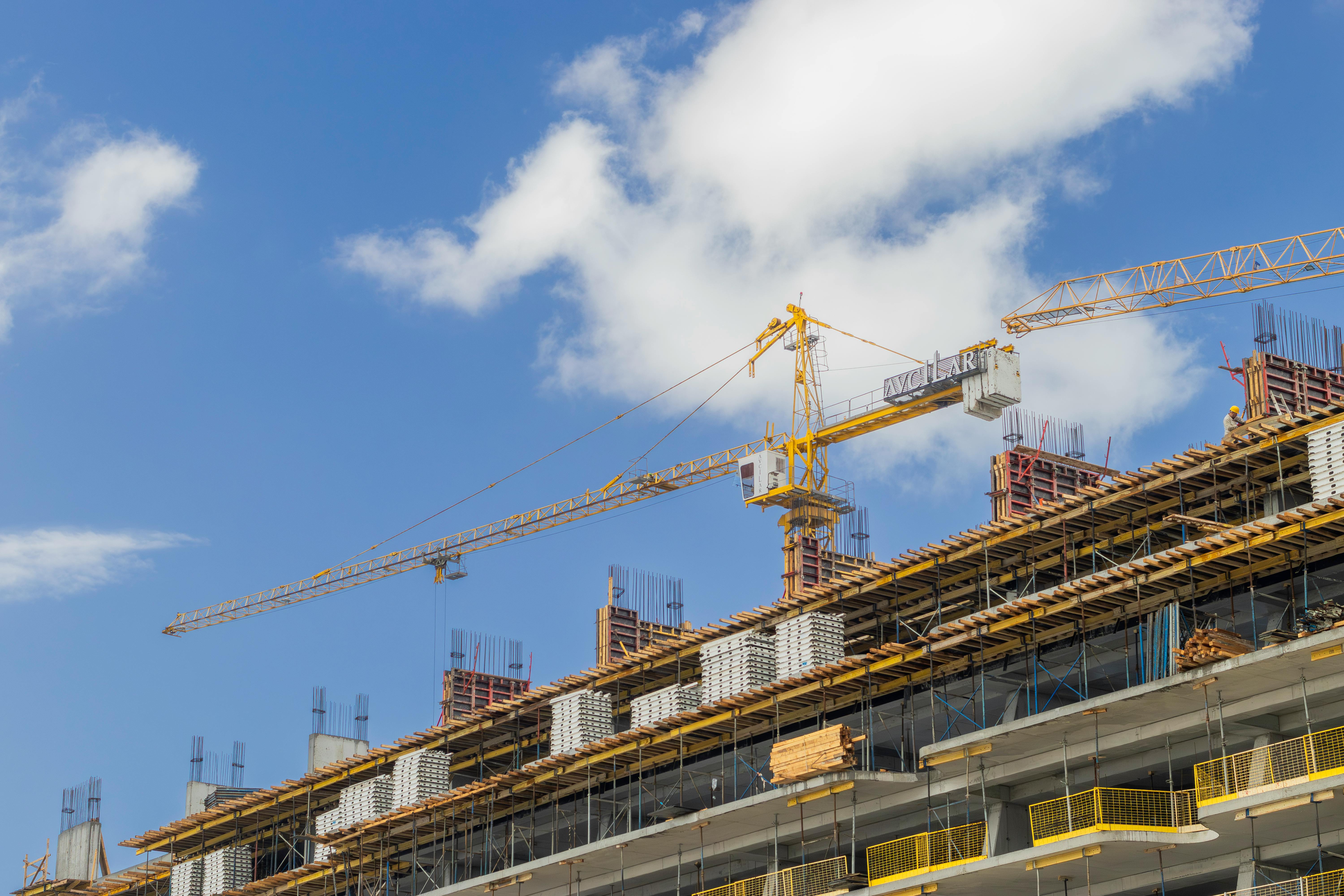
Can zoning reform increase construction productivity?
We’ve sped up manufacturing — but not housing. Zoning may be the reason.

How much can new housing contribute to state climate action?
Terner Center: Accelerating climate-friendly housing could match the national impact of stronger EV policies.

Supply Skepticism: Housing Supply and Affordability
New housing helps moderate prices and expand opportunity, but public policy is essential to ensure affordability across incomes.

The Supply and Demand Effects of Construction in San Francisco
Homes built nearby lower rents and significantly reduce displacement.
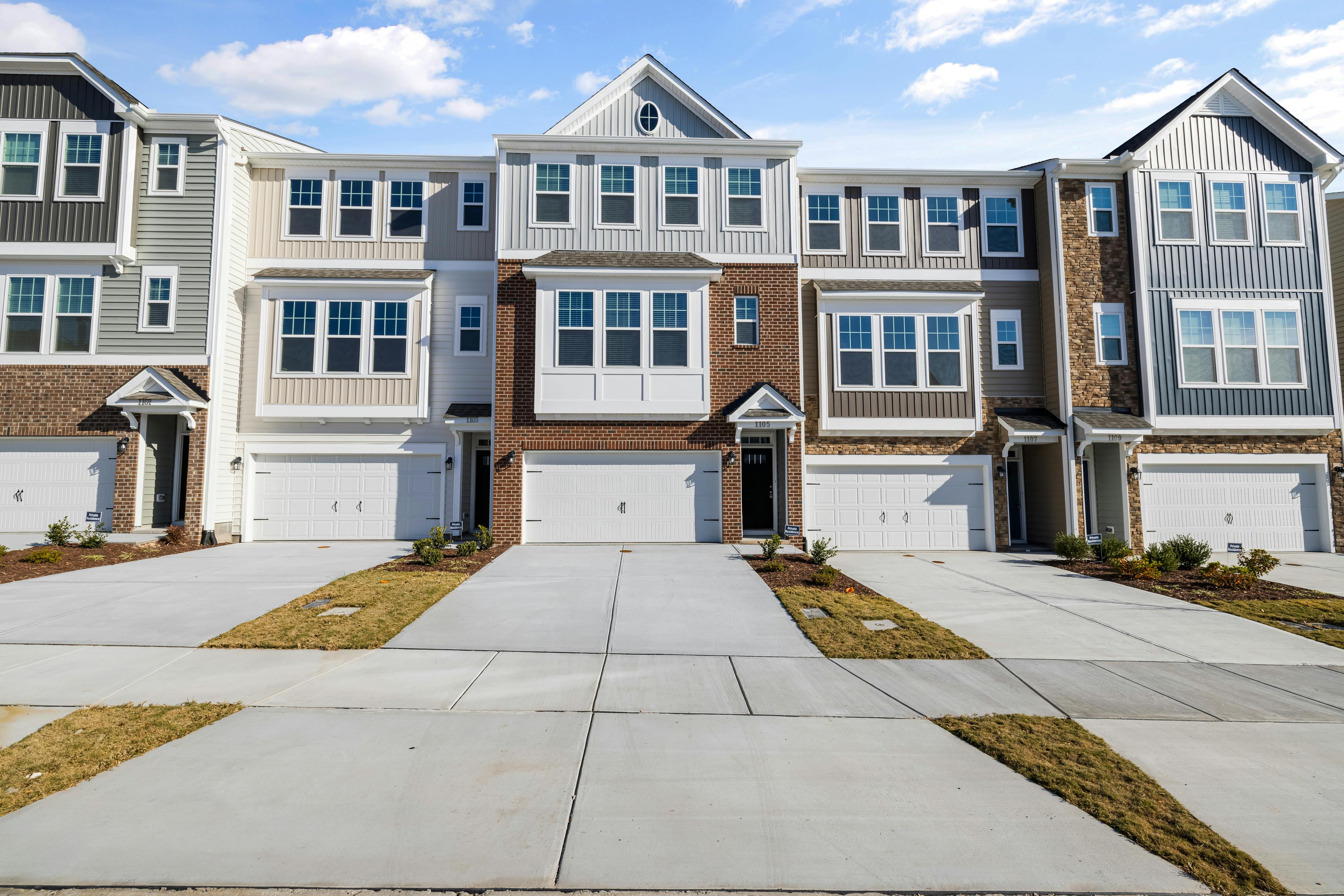
Homes built nearby lower rents and significantly reduce displacement.
New housing helps moderate prices and expand opportunity, but public policy is essential to ensure affordability across incomes.

Local Effects of Large New Apartment Buildings in Low-Income Areas
New buildings reduce nearby rents by about 6%, attract higher-income households, and expand supply without raising surrounding rents.

Evidence from Economics and Advocacy Treatments
Recent research finds that most people want lower housing prices but, contrary to expert consensus, do not believe that more supply would lower prices.

Zoning reform and state-developed housing in Auckland
Zoning reform is often framed as pro-market, but it also empowers public housing. In Auckland, upzoning led to a threefold increase in state-built homes. The findings show that zoning reform helps both private developers and the government build more housing.

The High Cost of Producing Multifamily Housing in California
This report compares the production costs of market-rate and subsidized affordable apartments in California, Colorado, and Texas. It breaks down key cost drivers and highlights policy reforms—like faster approvals, simpler design rules, and lower fees—that could reduce costs and improve housing affordability in California.